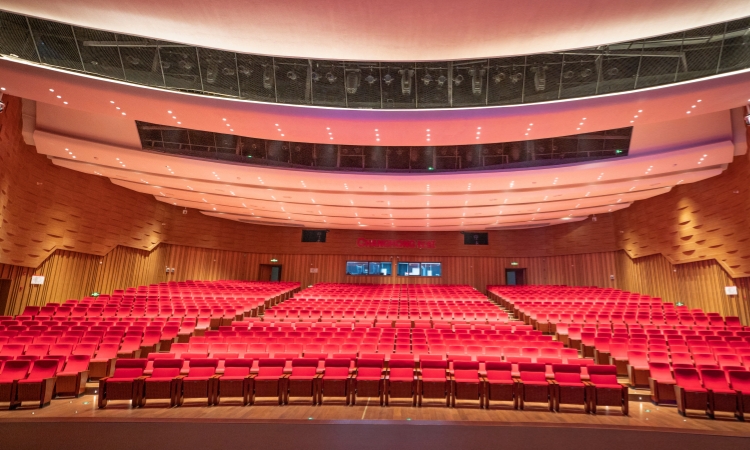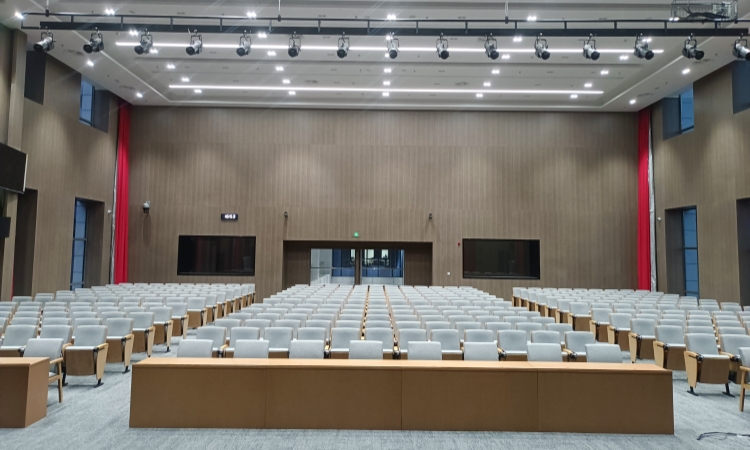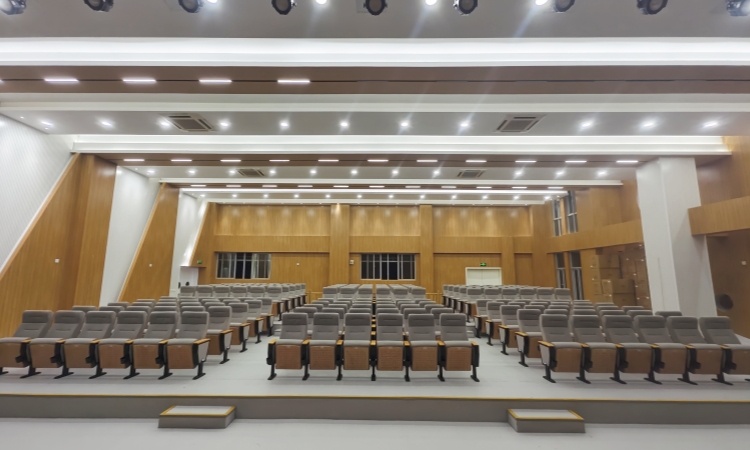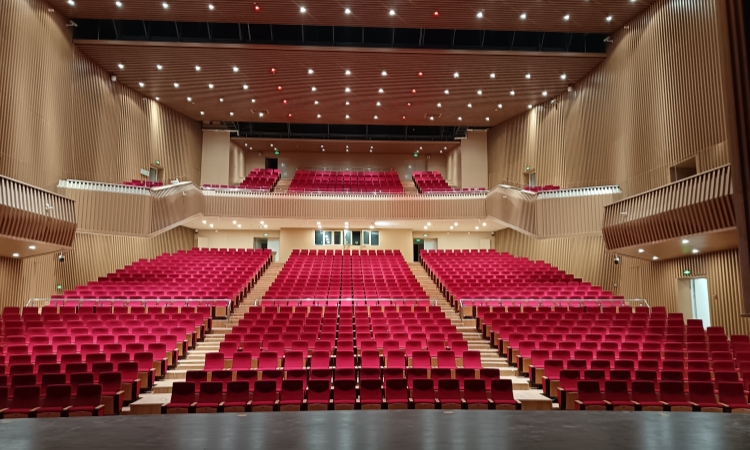


The cinema seat is the audience's first point of contact with the movie experience. Before the screen lights up or the sound begins, the seat has already shaped expectations for the viewing experience. Audience surveys over the past decade have consistently shown that seating comfort is a key driver of satisfaction. High-end cinema seats elevate the experience from mere "watching" to true "immersion" by focusing on three dimensions: ergonomics, material acoustics, and spatial sightlines.
1. Ergonomics: Relaxing the Body, Engaging the Emotions
A typical movie lasts between 90 and 150 minutes. Without proper ergonomic support, viewers frequently shift in their seats, their attention constantly interrupted by physical discomfort. Only when the body is fully relaxed can the mind devote its full attention to the story unfolding on the screen.
Professional cinema seats typically feature a backrest angle of 100° to 110°, allowing the spine to rest naturally against the seat. The 8-to-10-degree recline is precisely calculated to let viewers lean back comfortably without sliding down, while the backrest's curvature aligns with the spine's natural shape, effectively relieving pressure on the lower back. Seat depth is usually set between 400mm and 500mm; when seated, there should be a 3–5 cm gap between the back of the knees and the front edge of the cushion to avoid compressing the nerves in the back of the thighs. This meticulous approach to ergonomics shares the same design philosophy as auditorium and theater seating—the core objective for all such seats is to ensure that sitting still for extended periods does not become a burden.
2. Materials and Acoustics: Dual Immersion for Touch and Sound
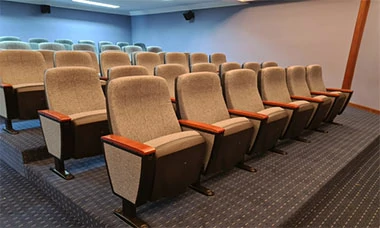
Because the seat remains in prolonged contact with the body, the upholstery and padding directly determine the quality of the experience. High-end cinema seats often utilize high-density cold-cured PU foam—typically around 60kg/m³—offering a balance of softness and firmness that resists sagging over time. Upholstery materials are selected for their acoustic properties—such as sound-absorbing fabrics or high-quality synthetic leather—which help optimize the auditorium's sound field while offering antibacterial, easy-to-clean, and flame-retardant qualities. Fabric upholstery absorbs mid-to-high frequency sounds and reduces echoes, making it ideal for dialogue-heavy art-house films; conversely, leather upholstery reflects high frequencies more strongly, enhancing the sonic impact of action blockbusters. From public seating to lecture hall chairs, advancements in materials science are ensuring that comfort and safety no longer require compromise.
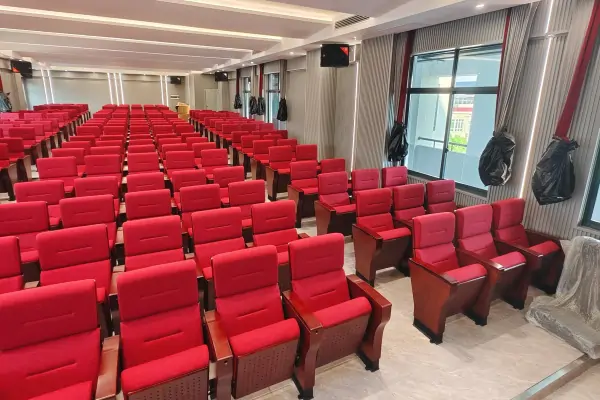
3. Space and Sightlines: Every Row Offers a Prime View
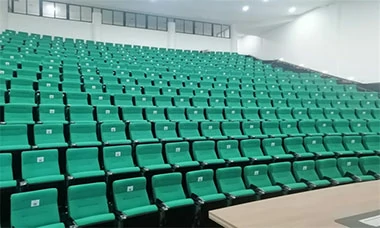
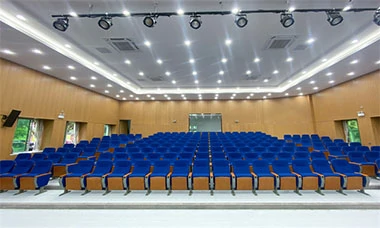
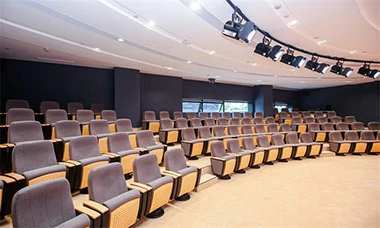
The layout of premium cinema seating is equally crucial to audience satisfaction. Tiered seating arrangements—where each row is typically elevated by at least 12 cm—ensure that the view of the audience in the back is not obstructed by the heads of those in front. Staggered seating layouts further prevent the front row from blocking the sightlines of the rear rows. Modular design concepts from auditorium seating have also been adapted for cinema halls, allowing for flexible customization based on spatial constraints; row spacing, armrest styles, and seating curvature can all be adjusted, effectively eliminating common complaints such as poor visibility from the back or the need to crane one's neck in the front.