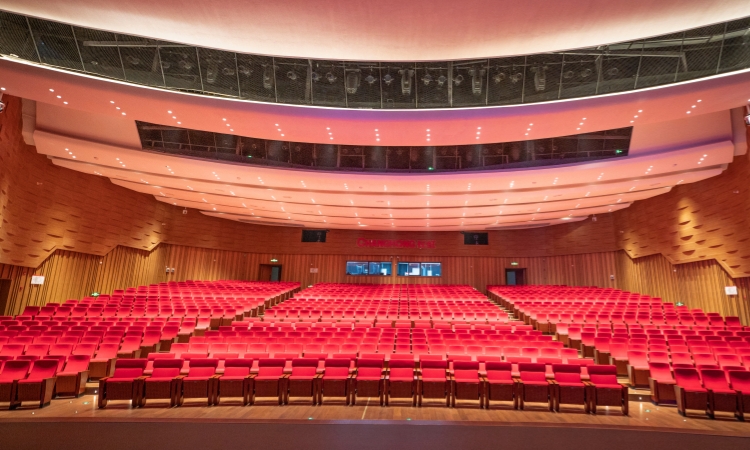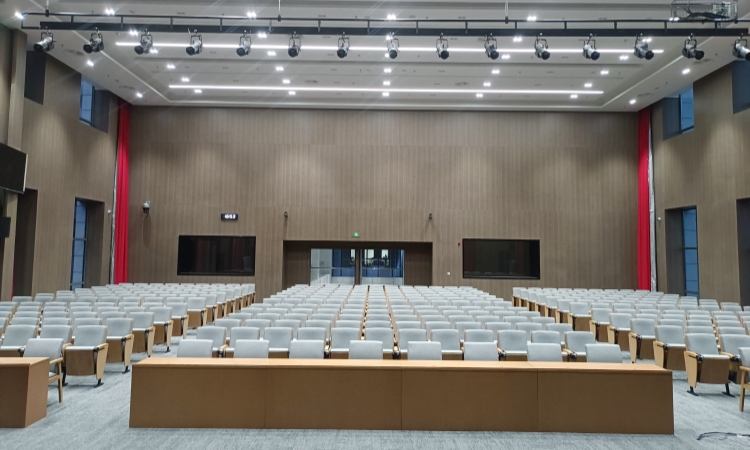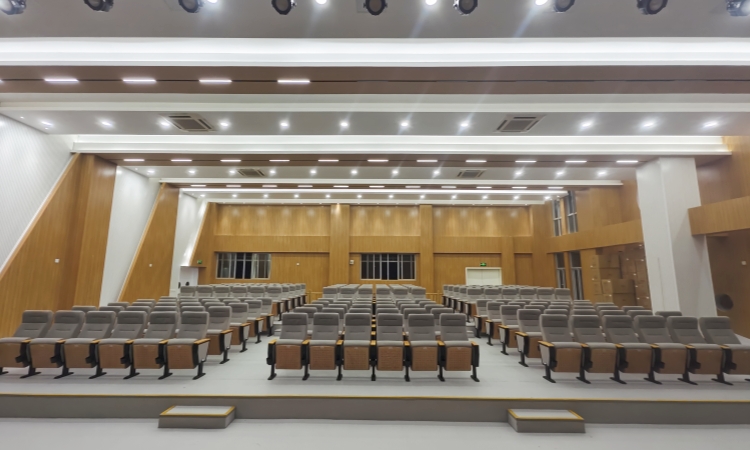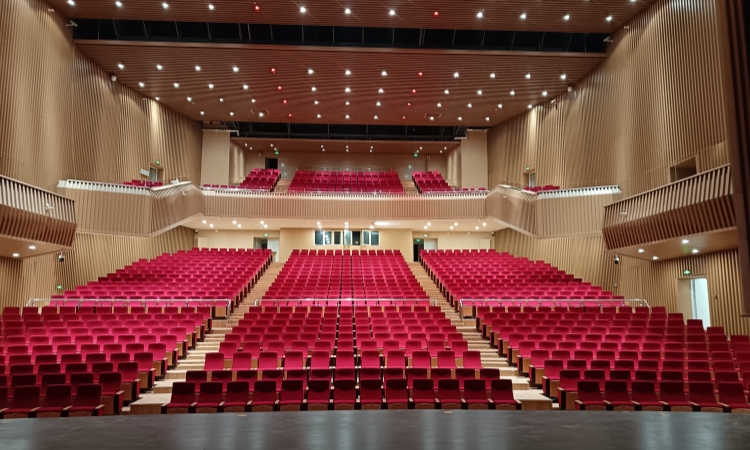


When choosing church chairs, the priority is not the style, but rather measuring the available space and analyzing traffic flow. Only then should you determine the chair type, layout, and method of installation. Different church sizes dictate different requirements for row spacing, aisle width, storage, and maintenance. Matching your seating to the scale of your facility—whether it is a small chapel, a medium-sized church, or a large auditorium—helps prevent overcrowding, ensures smooth movement, and reduces the costs of future modifications.
1. For small, compact church spaces, prioritize stackable or narrow-profile chairs.
Avoid chairs that are too wide; ensure the layout provides sufficient space for congregants to stand, sit, and move about, while keeping main aisles clear. Stackable chairs facilitate easy storage and flexible reconfiguration, making them ideal for multi-purpose small church settings. When selecting these, consider the weight of each chair, the stability when stacked, and how easy they are to clean, ensuring they can withstand frequent handling without damage.
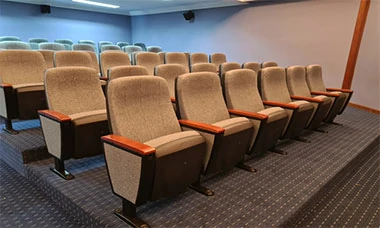
2. Medium-sized churches should strike a balance between seating capacity and comfort.
The main sanctuary can feature fixed pews, which offer a uniform appearance and favorable acoustic properties, while auxiliary spaces can utilize movable chairs for greater versatility. Row spacing for pews should be carefully calibrated—sufficient for comfortable movement, yet efficient enough to avoid wasting space. During procurement, confirm custom dimensions, installation methods, and floor conditions to minimize the need for future relocation or repairs.

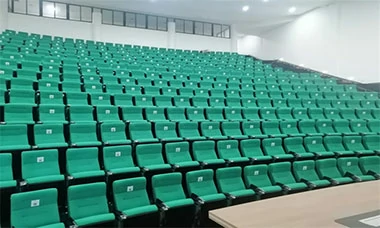
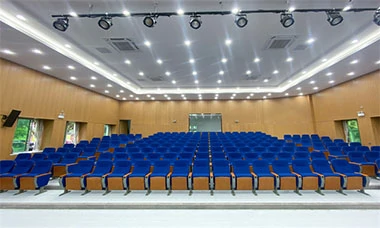
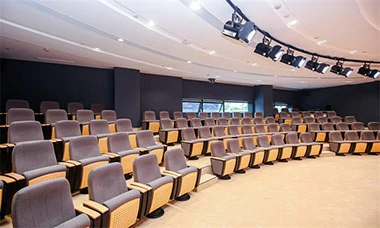
3. Large church auditoriums should prioritize fixed seating and a well-planned layout of aisles and zones.
The arrangement must account for sightlines, emergency evacuation, sound absorption, and durability, with aisles sized appropriately for the expected volume of foot traffic. Large-scale seating systems should allow for localized repairs and the replacement of individual components, ensuring that damage to one chair does not render an entire row unusable. Additionally, plan for storage areas, spare chairs, and access paths for cleaning staff to reduce the burden of long-term maintenance.
Regardless of the size of your space, always verify three key factors when selecting church chairs: do the aisles meet evacuation requirements? Does the row spacing allow for comfortable movement (standing and sitting)? And are the chairs easy to clean and maintain? By incorporating space dimensions, chair specifications, row spacing, and aisle standards into your procurement planning, you can ensure the selection of seating perfectly suited to your church’s unique space.