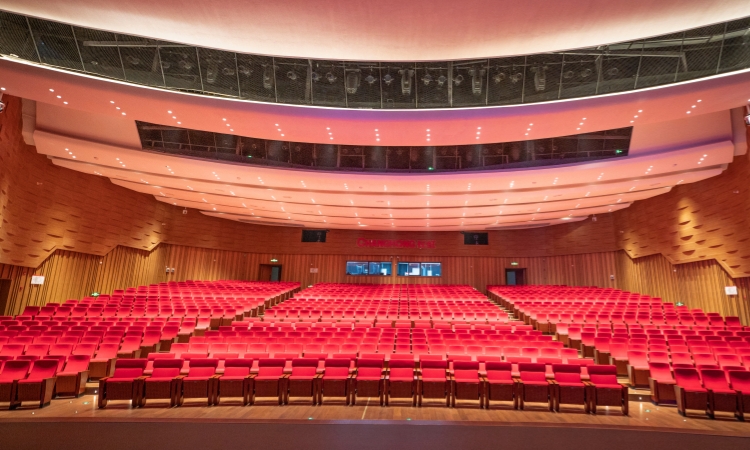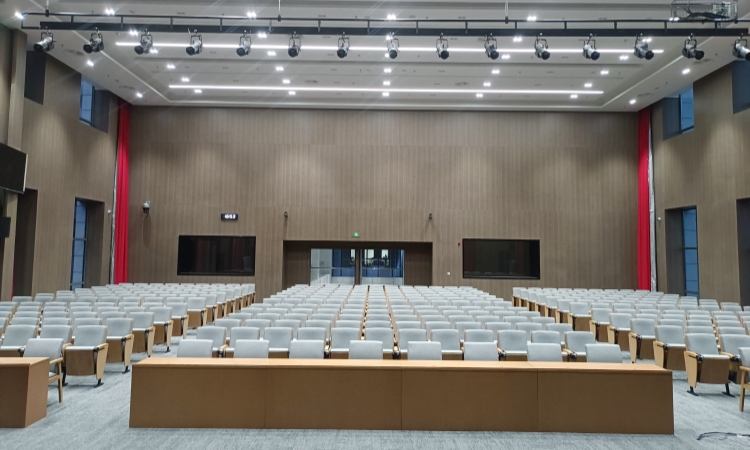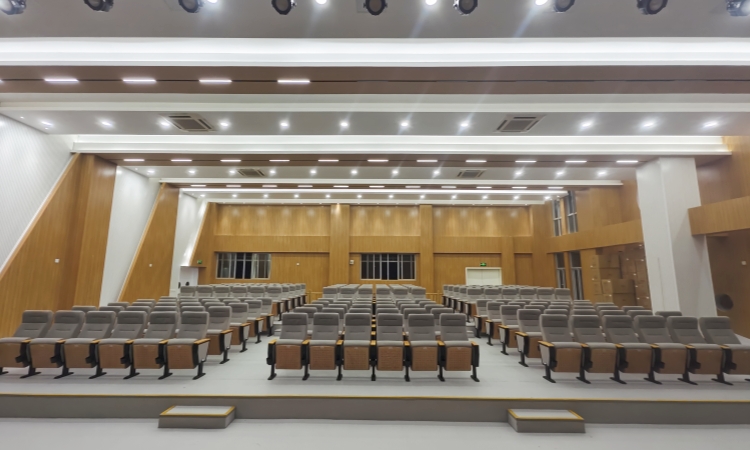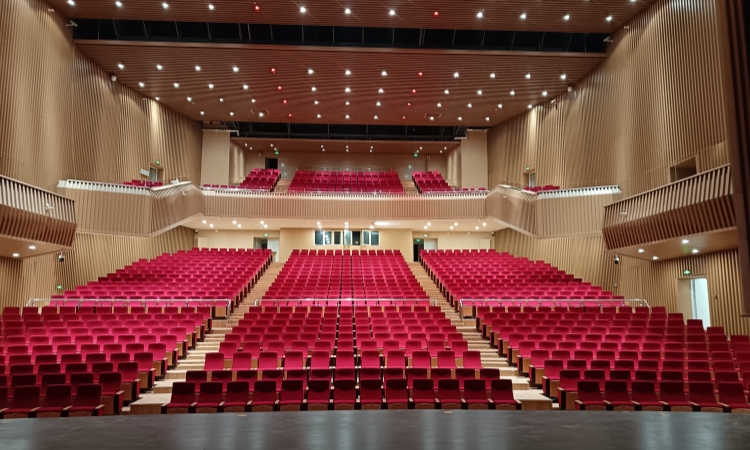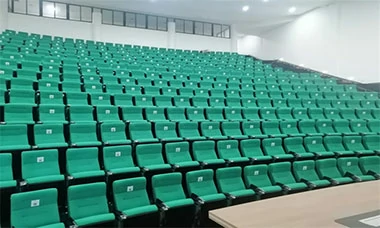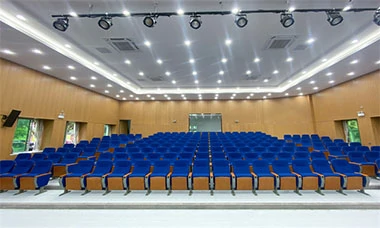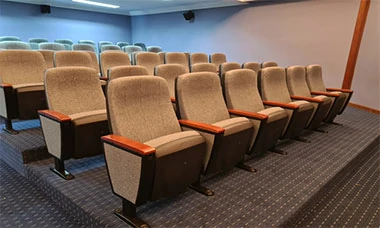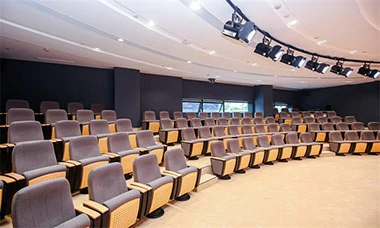


The core takeaway: Reducing long-term maintenance costs for fixed university seatingis not about "fixing things quickly when they break," but rather about embedding "maintainability" into the technical specifications during the procurement phase. Any initial savings from purchasing cheaper chairs are typically wiped out—often several times over—within three years due to labor costs for repairs, replacement parts, and the operational losses incurred when seats are taken out of service. Investing your budget in structural durability and designs that are easy to repair is the only effective way to lower the total cost of ownership.
First, eliminate designs that force a full replacement when a single component fails.
The most frequent points of failure in fixed university seating are the hinges on writing tablets and the connectors between the seat and backrest. During procurement, focus on two key specifications: the metal used for hinges should be at least 2mm thick, and the mechanism should be designed as an independently replaceable module—not welded permanently to the chair frame. Consider that a writing tablet might be flipped 12 times a day, totaling over 2,000 uses per academic year; if a hinge loosens or its damping mechanism fails, and the only solution is to replace an entire row of seats, the cost of a single repair skyrockets. Ensure your contract requires the supplier to provide a "spare parts kit" for high-wear components—including writing tablets, hinges, and hardware sets—equivalent to 5% of the total number of seats. This allows for minor repairs to be handled in-house.
Second, address accelerated aging caused by improper cleaning methods.
A significant portion of maintenance costs stems from damage caused by cleaning, rather than wear and tear from use. For chairs with steel-and-wood construction, repeatedly wiping metal components with a damp cloth can allow water to seep into the microscopic pores of the powder-coated finish, leading to internal rust. Similarly, cleaning wooden seat panels with alkaline solutions or laundry detergent can cause the finish to lose its luster and crack, necessitating a full refurbishment within just three to five years. Proper daily cleaning for fixed university seating requires only three steps: dust with a soft, dry cloth; wipe away stains with a damp cloth (using a neutral detergent); and immediately follow up with a dry cloth. Incorporating this procedure into your cleaning Standard Operating Procedures (SOPs) is more effective than any extended warranty. For upholstered seats, simply use a vacuum cleaner on a low-suction setting to remove debris from the crevices—avoid high-suction settings, which can pull and break the fabric threads.
Third, digitize your inspection process—don’t wait until an entire row is unusable before reporting a need for repairs. Establish an inspection log for fixed university seating, recording the condition of each row before the start of every semester: check for loose screws, unusual noises when opening or closing writing tablets, and whether seat pans retract fully. Loose bolts are classified as "Level 1" issues—to be tightened immediately using a standard toolkit. Deformed connectors are "Level 2" issues—requiring photographic documentation and repair within a set timeframe. "Level 3" issues involve total functional failure, triggering a formal replacement process. After two or three years of maintaining these records, it becomes clear which rows or specific models have the highest failure rates; this data can then inform future procurement, allowing you to steer clear of problematic models. Using maintenance data to guide procurement decisions is one of the most subtle yet effective ways to reduce long-term costs.
Ultimately, controlling maintenance costs for fixed university seating begins in the tender documents, not with the maintenance technician’s wrench. By selecting the right structural design, ensuring proper cleaning procedures, and maintaining accurate data, you can effectively lower the total cost of ownership over a five-year period.