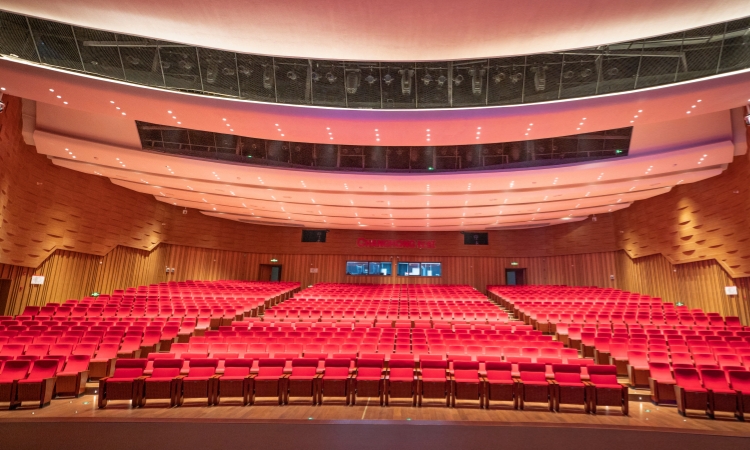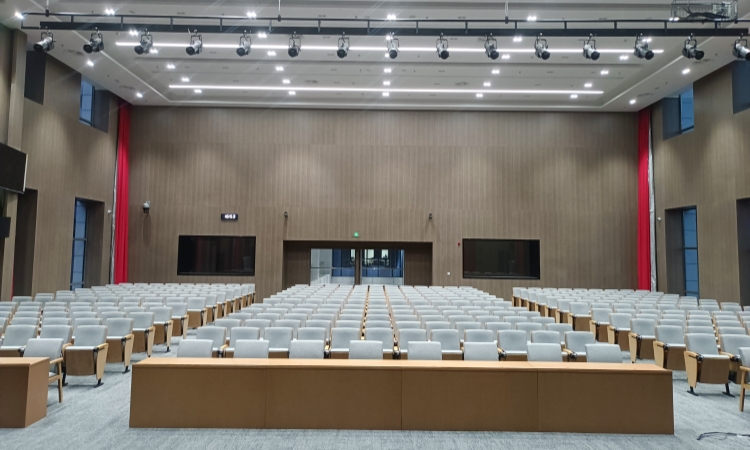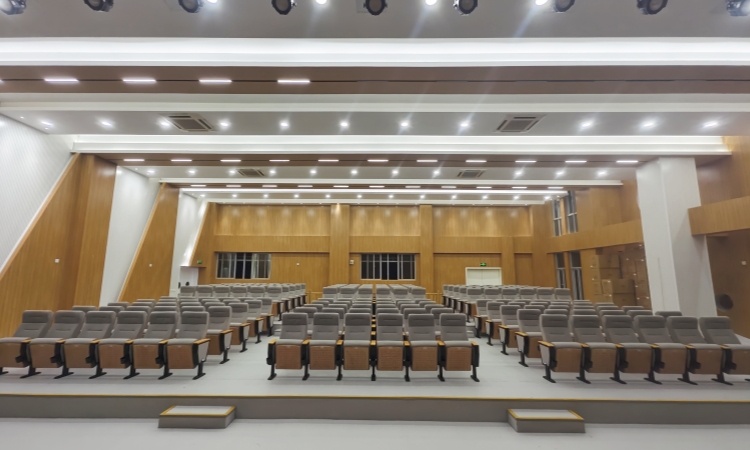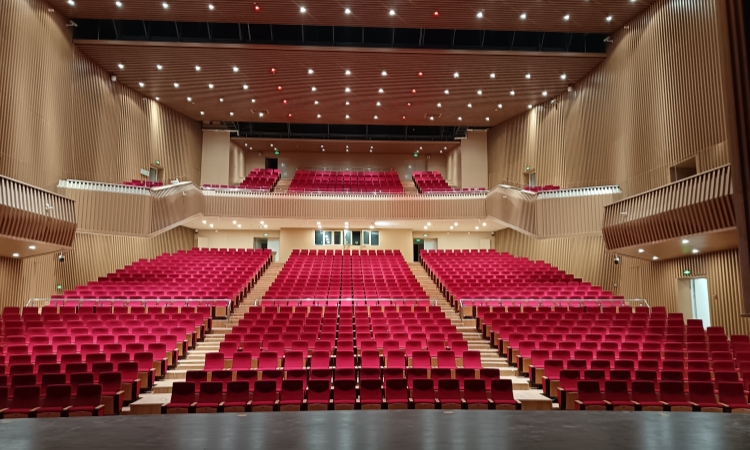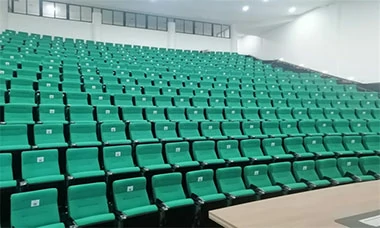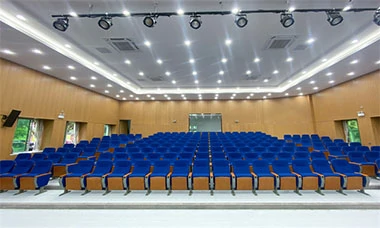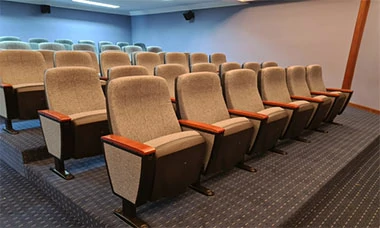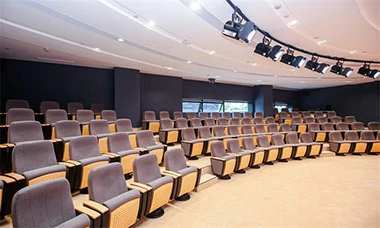


Maintenance costs for university fixed seating are often severely underestimated in university infrastructure budgets. Many schools prioritize cost-effectiveness by purchasing cheap university fixed seating, only to find themselves in a vicious cycle of constant repairs after three to five years. While high-quality fixed seating may have a slightly higher initial investment, it can significantly reduce operating expenses throughout its entire lifecycle—a logic that every university's logistics management department should thoroughly understand.
Key Cost Reduction Point 1: Extremely Low Failure Rate, Saving on Frequent Labor Costs. Common problems with low-end fixed seating in teaching buildings include: stuck flipping mechanisms, loose writing boards, and broken chair legs. Each repair requires dispatching campus facility maintenance personnel, with labor costs plus parts often exceeding 200 yuan per repair. High-end fixed seating, using thickened cold-rolled steel frames and damping descent mechanisms, can withstand 200,000 flipping durability tests without failure, virtually eliminating routine repair requests. Based on a large 200-seat lecture hall, the average number of maintenance work orders per year can be reduced from 30 to less than 3.
Core Cost Reduction Point Two: Standardized and Modular Design of Parts
High-quality university fixed seating suppliers use standardized seat modules and universal seat cushion clips. If individual lecture hall seats are damaged, support staff can replace the prefabricated modules by hand in just 3 minutes, without using cutting or welding equipment. In contrast, generic chairs often use different molds for each batch, requiring expensive custom orders from the original manufacturer after damage, and even facing the risk of seat discontinuation and forced replacement of the entire row, resulting in huge costs.
Core Cost Reduction Point Three: Stain-Resistant and Antibacterial Surfaces, Extending Cleaning Cycles
University lecture halls are used extremely frequently, and stains, graffiti, and spilled drinks are commonplace. High-quality lecture halls use one-piece injection-molded PP seats or anti-static and stain-resistant coatings, combined with an easy-to-clean surface design; oily pen marks can be wiped away with a damp cloth. This directly reduces the frequency of deep cleaning outsourced to campus cleaning services, saving approximately 5,000 yuan in cleaning labor costs per 100 seats per year.
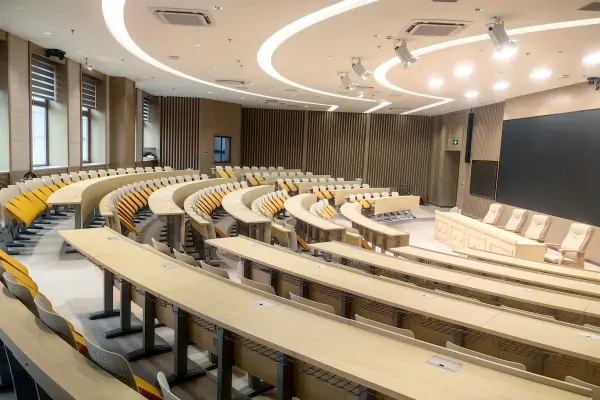
Hidden Costs: Safety Compliance and Replacement Delays Inferior tiered chairs are prone to loosening of their fixing screws, potentially causing safety accidents involving student seating, leading to legal disputes and public opinion risks. High-load-bearing tiered chairs that meet GB/T 3325-2017 metal furniture testing standards and BIFMA office chair standards have a lifespan of over 10 years, extending the school's fixed asset disposal cycle from 5 years to 12 years, equivalent to saving the cost of a full replacement for each batch of chairs.
Conclusion: Choosing an SGS-certified tiered chair manufacturer and signing a 5-year warranty and parts supply agreement, although the unit price is 30% higher, can reduce total maintenance expenditure by approximately 45% over 10 years when considering the overall life-cycle cost of the tiered chairs. For universities with dozens of multimedia lecture halls, this is an extremely worthwhile long-term investment.