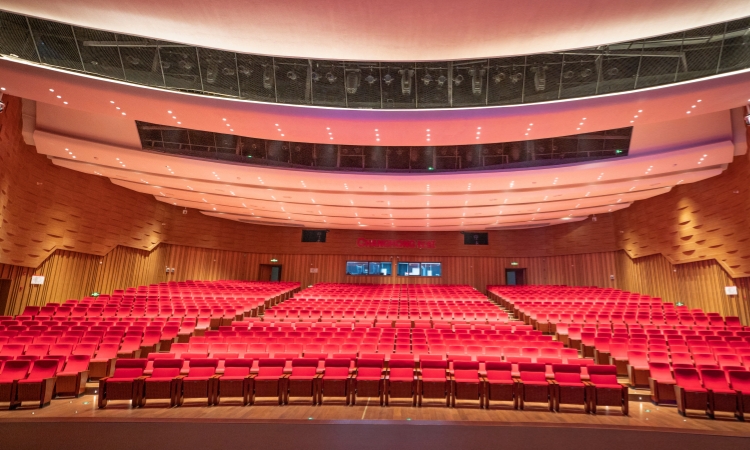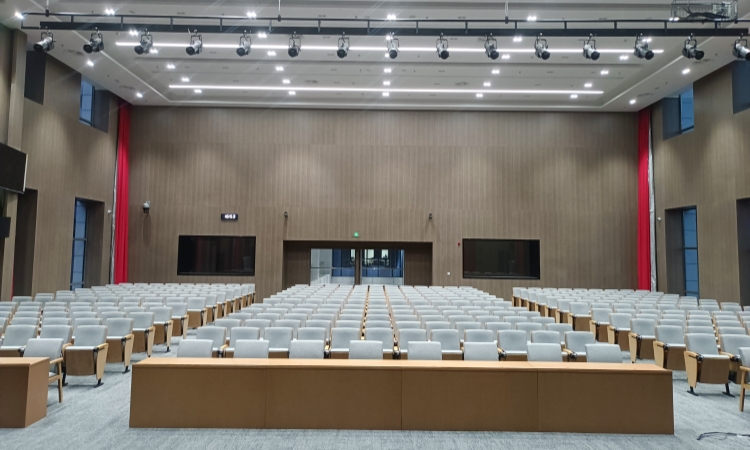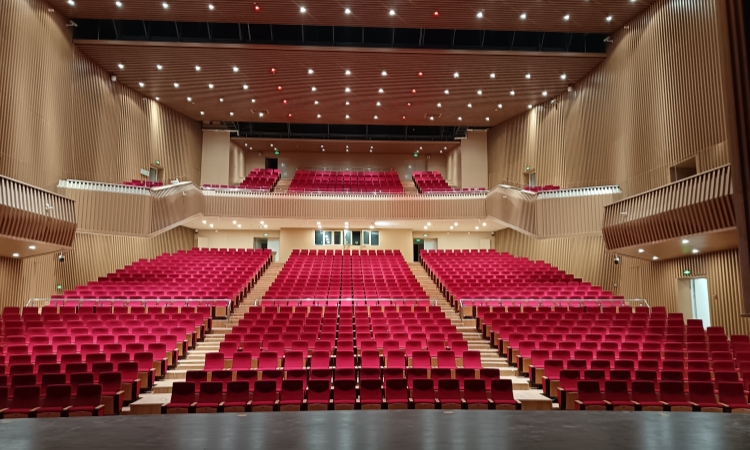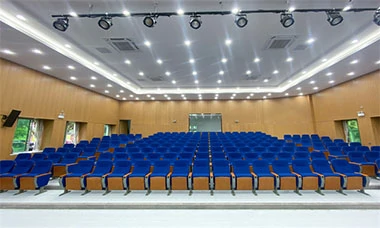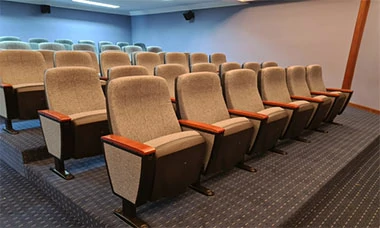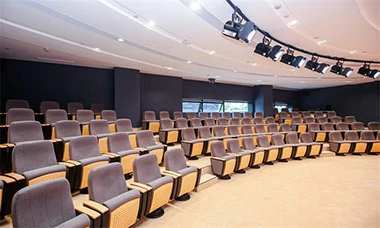


When purchasing home theater chairs, cinema seats, or home theater seating, the biggest fear is spending money only to have them collapse, make noise, or peel within two years. Actually, there's a clear balance between budget and quality—spending money on core components that truly affect lifespan and experience is far wiser than blindly pursuing low prices or piling on luxurious features. The following four dimensions will help you choose a high-quality, cost-effective home theater chair.
I. Define Your Usage Scenarios First, Then Determine Your Budget Range
Different scenarios have vastly different requirements for home theater chairs. Home theater chairs prioritize comfort and space fit; for continuous use exceeding 90 minutes per day, lumbar support and seat cushion rebound must be considered. Commercial theater chairs, on the other hand, need to balance durability under high-frequency use and ease of cleaning. First, decide whether it's for a home theater or a commercial cinema, then allocate your budget—the configuration direction for a multi-functional theater chair will naturally become clear.
II. Core Components Determine Long-Term Value
The frame, filling, and fabric of a home theater chair form the "iron triangle" of quality. The frame should be made of metal for durability; the seat cushion should be made of high-density cold-foamed molded sponge with a density of at least 45 kg/m³, and should return to its original shape within 3 seconds after being pressed firmly. For the fabric, PU leather is the mainstream choice, as it is wear-resistant, easy to clean, and offers good value. High-quality PU leather uses a three-layer structure and can last for more than 6 years. These parameters directly affect the lifespan of the home theater chair and its maintenance costs, and should not be skimped on.
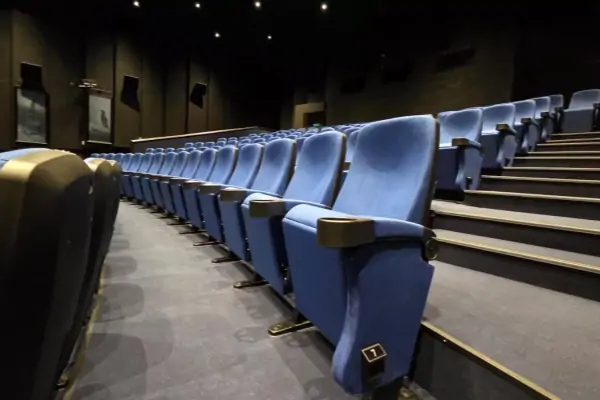
III. Choose Features Based on Needs, Avoid Overspending
The more features a home theater chair has, the higher the price. A backrest angle adjustment range of 110° to 160° is recommended, accommodating both sitting and reclining positions. While the electric adjustment and leg support functions of electric home theater chairs are indeed practical, the reliability of the overall frame's load-bearing logic and linkage design should be considered. Cup holders, USB charging ports, and other details should be selected as needed. The core of a home theater sofa chair is comfort, not just more features.
IV. Trying it out is the Only Standard for Verification
Don't just look at the parameters and renderings. Whether the lumbar support point of the cinema chair is between the third and fourth lumbar vertebrae (about two fingers above the waistband), whether the seat depth allows for a 3-5 cm gap between the back of the knees and the front of the seat cushion, and whether the armrest height allows the elbows to lightly touch when naturally hanging down—these details can only be judged by personally sitting in the chair for more than 10 minutes.