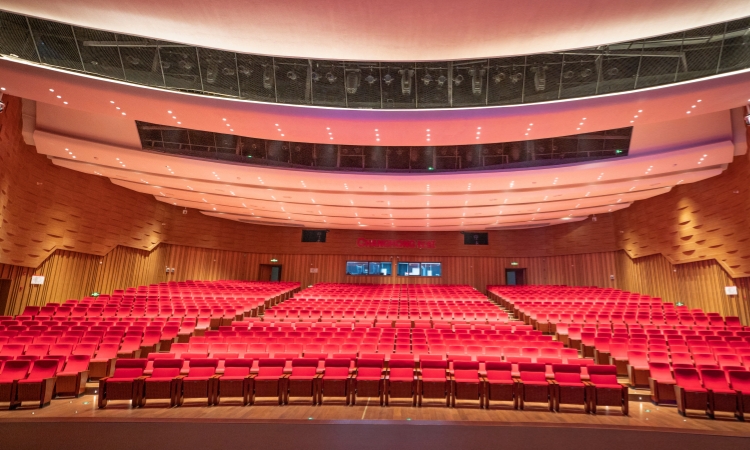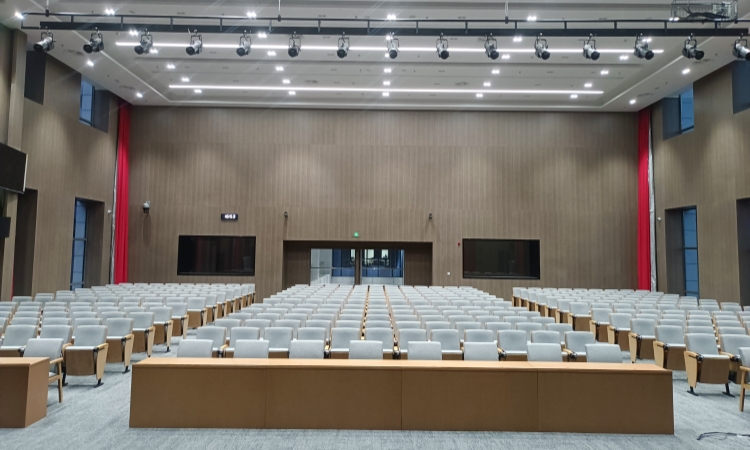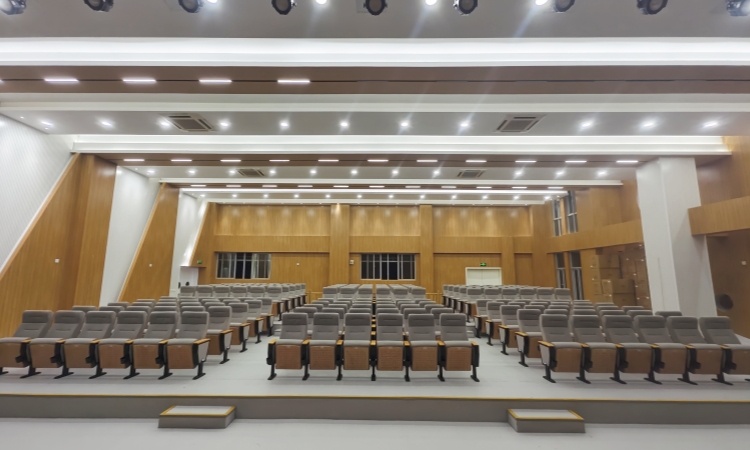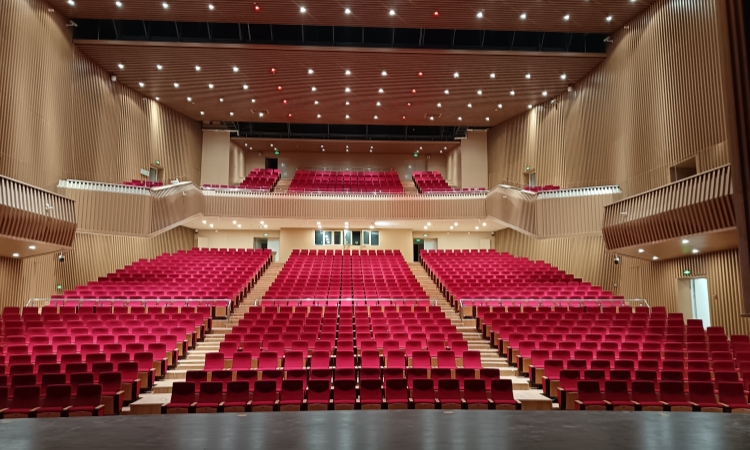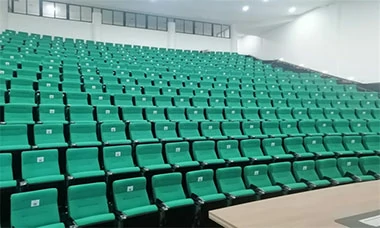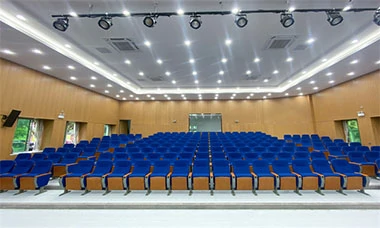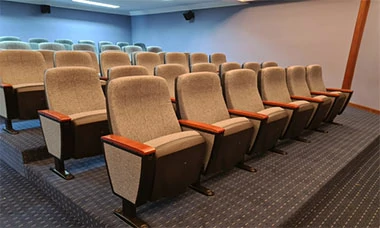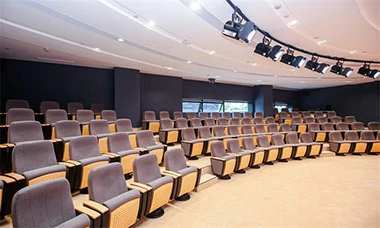


In projects involving schools, training centers, or higher education institutions, the replacement cycle for university fixed seating directly impacts both budget control and the overall educational experience.
Let’s start with the key takeaway:
In most high-usage scenarios, high-quality university fixed seating typically has a lifespan of 8 to 12 years; conversely, low-quality or poorly selected products may require extensive replacement after just 3 to 5 years.
The critical factors determining lifespan are not merely the duration of use, but rather structural design, material selection, and the intensity of actual usage.
I. The Core Determinants of Lifespan: Materials and Craftsmanship
These constitute the most fundamental factors influencing the replacement cycle of university fixed seating. The framework and cushioning of a chair directly determine how long it can "hold up" under pressure.
· Legs and Framework: The Cornerstone of Load-Bearing Support
Standard Steel Tube Frames: If the surface coating process is substandard, these frames are prone to paint chipping and rusting after just 2 to 3 years of use in humid environments—issues that severely compromise both aesthetics and structural safety.
Aluminum Alloy Legs: This is currently the preferred material for mainstream high-end and mid-range university fixed seating. Legs formed via integral die-casting of aluminum alloy are not only lightweight and high-strength but also completely eliminate the risk of rust, ensuring stable support for over a decade.
Steel Plate Thickness: This represents a "commitment to quality" that is often invisible to the naked eye. Premium brands utilize thickened cold-rolled steel, employing robotic full-welding techniques at all joints to ensure there are absolutely no weak welds or weld failures.
· Cushioning and Upholstery: Guarantees of Comfort and Durability
Foam Cushioning: Recycled foam typically loses its elasticity within six months to a year, leading to seat collapse. When purchasing, one should specifically look for high-density cold-foamed polyurethane foam; this material offers excellent resilience and resists deformation even after prolonged sitting.
Upholstery Fabric: Ordinary polyester fabrics are prone to pilling and fading. High-quality seating utilizes abrasion-resistant and flame-retardant fabrics—often meeting B1-grade fire safety standards—to ensure that the seating retains its vibrant color and structural integrity even after years of heavy use.
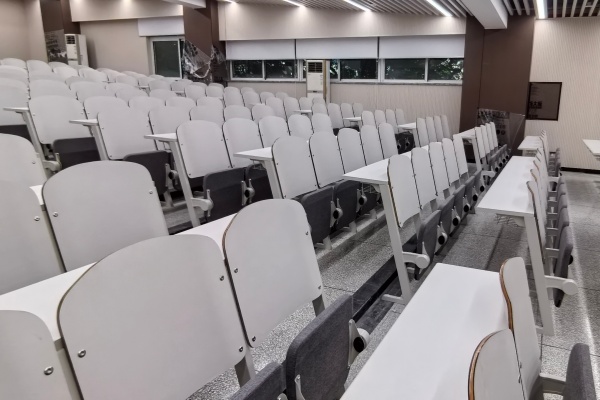
II. Usage Intensity and Frequency
The exact same chair will have vastly different replacement cycles depending on whether it is placed in a university classroom versus a corporate lecture hall. High-Frequency Usage Scenarios (e.g., University Classrooms): Involving approximately 8–10 classes per day, these settings entail frequent flipping of seat pans (for flip-up models) and armrests that endure pressure multiple times daily. Under such intense usage, even a high-quality chair typically has a lifespan of 5–8 years for its gas springs or flip mechanisms, after which maintenance or replacement may be required.
Medium-to-Low Frequency Usage Scenarios (e.g., Corporate Auditoriums, Government Conference Rooms): Primarily used for meetings or training sessions occurring a few times per week. With proper maintenance, extending the service life to 12–15 years is entirely feasible.
III. Maintenance and Care: The "Essential Course" for Extending Lifespan
Many purchasers overlook the "post-purchase phase." Proper maintenance can easily extend the service life of University Fixed Seating by an additional 3–5 years.
Below are the latest maintenance guidelines for tiered seating for 2026:
Cleaning Taboos (Specific to Different Materials)
Fabric/Leather: Do not use wet cloths, hard objects, or acidic/alkaline cleaning agents. If beverages are spilled, first blot the liquid dry with a paper towel, then wipe with a neutral detergent diluted in warm water, and finally dry the area with a clean, dry cloth.
Wooden Components: Avoid direct contact with beverages, chemical agents, or excessively hot objects to prevent damage to the wood's natural finish.
Metal/Painted Components: Avoid wiping with coarse materials or organic solvents. For daily cleaning, simply wipe with dry cotton fibers or a soft cloth to prevent rust.
Routine Inspections
Screws and Connectors: Schools or facility management teams should conduct regular, semester-based inspections to check for loose expansion bolts and connectors on desks and chairs. The stability of fixed seating relies entirely on the anchoring components at the base; if these become loose, it not only creates distracting noises but also poses a safety hazard.
Flip Mechanisms: For chairs featuring a flip-up seat function, apply lubricant to the pivot points periodically to prevent mechanical wear and eliminate squeaking noises.
Usage Environment
Moisture and Sun Protection: Classrooms should be kept well-ventilated and dry. Avoid exposing chairs to prolonged dampness (which causes metal parts to rust and wooden panels to warp) or direct sunlight (which causes fabric to fade and foam cushioning to deteriorate).
IV. How to Determine When It's Time for Replacement? 3 Key Indicators
If the tiered seating at your school or company exhibits any of the following conditions, it signifies that the replacement cycle has been reached:
Compromised Safety: Rusted support legs, severe instability of the seat structure, or cracked weld points. Such conditions pose a safety hazard and require immediate replacement.
Loss of Functionality: The seat cushion fails to automatically retract (indicating a failure in the flip-up mechanism), or the writing tablet is damaged and unable to support items—issues that severely detract from the user experience.
Zero Comfort: The foam padding has collapsed, allowing the sitter to feel the hard wooden base beneath; alternatively, the upholstery is damaged or stained beyond cleaning, negatively impacting the overall aesthetics of the environment.