

Investing in electric recliners makes sense, provided you evaluate it as a tool to "increase revenue per seat" rather than merely as a furniture replacement. If a cinema struggles to raise its average ticket price over the long term and relies little on non-ticket revenue, simply swapping out chairs is unlikely to yield a return on investment. Conversely, upgrading to electric recliners in flagship or VIP auditoriums is a sound financial strategy.
The return doesn't come from "comfort"—it comes from how much more customers are willing to pay.
At a cinema in the Tianhe Road commercial district of Guangzhou, upgrading half of its auditoriums to electric recliners in late 2023 led to a 10–15 RMB increase in average ticket prices for weekday evening screenings, while weekend prime-time occupancy rates rose by approximately 20%. Across the industry, premium-format auditoriums can command average ticket prices 50%–200% higher than standard ones. Although this results in a 60%–70% reduction in total seating capacity, it is often offset by an increase in per-customer spending on food and beverages. In short, the economics of electric recliner-equipped cinemas should be calculated based on "revenue per seat" rather than "total number of seats."
The biggest pitfall on the cost side isn't the price of the chairs themselves.
The cost of individual electric recliners varies significantly, but the expenses most frequently overlooked include electrical wiring, floor anchoring, and the removal of old seating. Before signing a contract, request a detailed, itemized quote—breaking down "installation" into specific, verifiable tasks—rather than accepting a single lump-sum price. If the existing steel frames and motor components are still in decent condition, opting for a component-level upgrade (retaining the original frames) can reduce initial capital expenditure by about 40% and cut long-term maintenance costs by more than 60%. When renovating older auditoriums, this approach should be prioritized over a complete replacement of all seating.
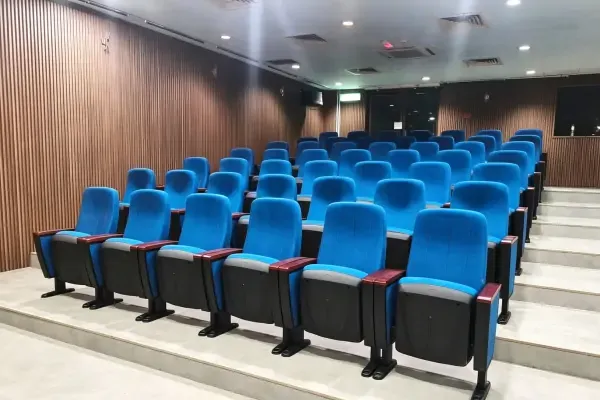
After-sales support is the most frequently underestimated risk factor for cinemas equipped with electric recliners. Motor failure is not a rare occurrence: for the M6088 series from a major brand, motor-related service requests account for 17.3% of the total. Of these, 62% involve abnormal noises or intermittent malfunctions at the end of the actuator—issues that typically emerge after more than 800 hours of cumulative use. When procuring these units, ensure that the contract specifies the warranty period for the motors, whether on-site labor is included, and the extent of local service network coverage. Opting for a warranty shorter than three years—or one that covers parts but excludes labor—will lead to maintenance costs that quickly erode the premium earned from higher ticket prices.
In short: an auditorium equipped with electric recliners is a sound investment only if it offers room for ticket price increases, holds potential for non-ticket revenue, and utilizes a cost-control strategy—specifically, retaining existing structural frameworks, itemizing costs, and securing a robust guarantee (or "safety net") for the motors. If any of these conditions are missing, it is far safer to conduct a small-scale pilot program before a full-scale rollout.