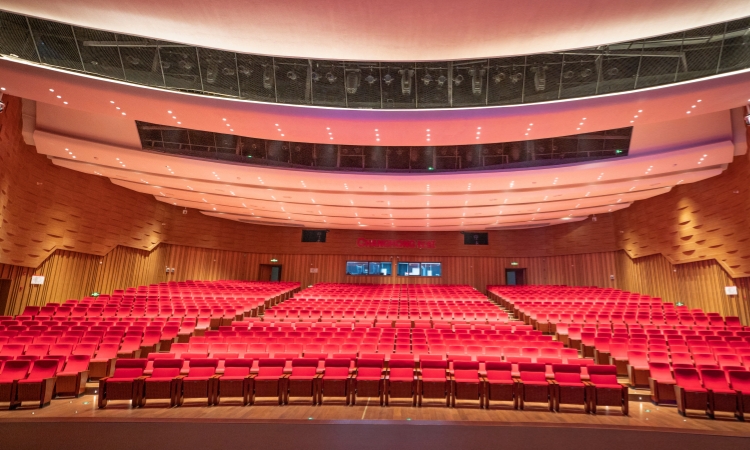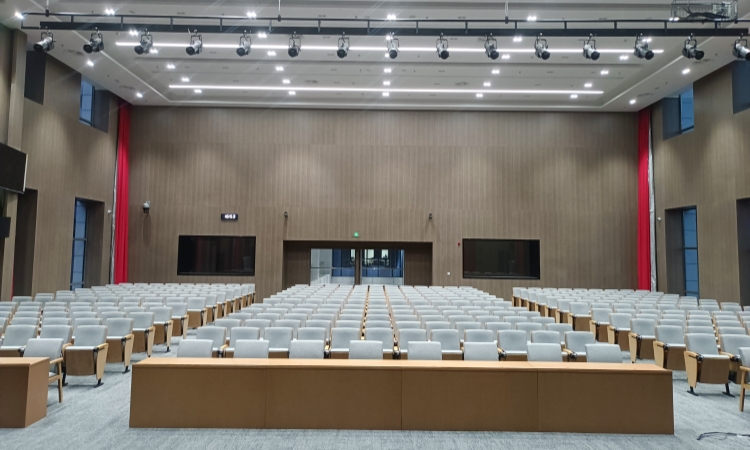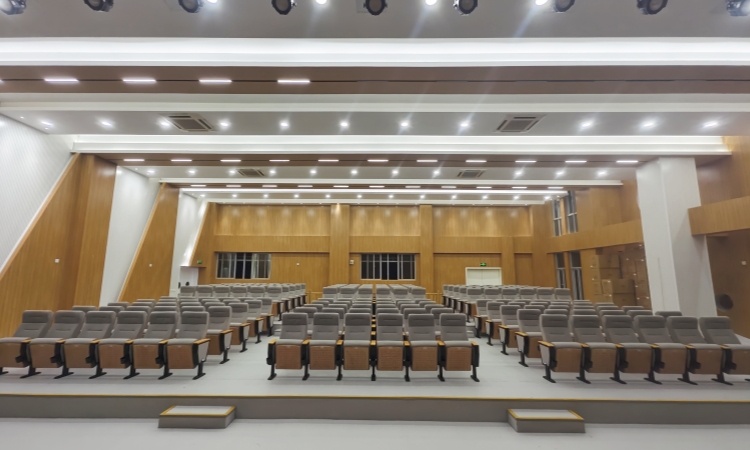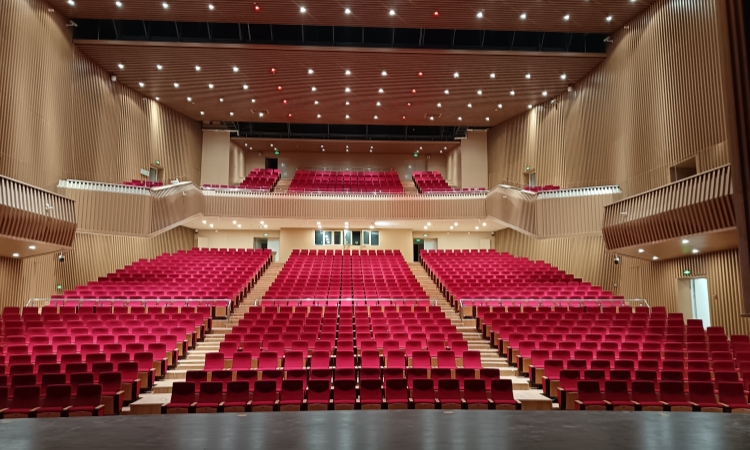


The core approach to planning seating for a new church involves: first determining capacity and layout, then selecting materials and styles, and finally matching these with your budget and a manufacturer. Following these five steps makes the process of customizing church seating more efficient.
1. Determine quantity and dimensions based on the space.
Measure the length and width of the sanctuary, the location of the pulpit, and the width of the aisles; estimate capacity based on a seating width of 45–55 cm per person. Row spacing for church pews is typically 85–95 cm to allow for standing, kneeling in prayer, and easy movement. Seating can be planned in separate zones for the main sanctuary, side chapels, and choir areas.
2. Select styles based on liturgical needs.
Traditional churches often use solid wood pews, which are dignified and durable, while modern churches might opt for upholstered seats or chairs with armrests. Catholic church seating often requires kneelers, whereas Protestant church seating might feature book racks and cup holders. Church seating must balance a sense of reverence with physical comfort.
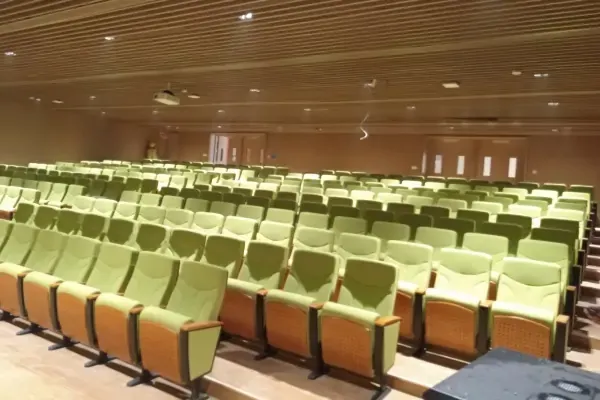
3. Determine the layout based on acoustics and sightlines.
Seating arrangements affect the sound field and lines of sight; curved or zoned layouts can reduce viewing distances. Dimensions, backrest angles, and seat heights should accommodate prolonged sitting while ensuring sightlines remain unobstructed.
4. Choose materials and craftsmanship based on the budget.
Solid wood church chairs are more expensive but offer longevity, while steel-and-wood combinations offer good value for money. When sourcing church chairs—whether wholesale or custom-made—clarify details regarding wood type, finish, fire-retardant properties, and warranty terms. Manufacturers should be able to provide samples and examples of past projects.
5. Select a professional church seating manufacturer.
Check if the manufacturer has experience with new church projects and can provide custom seating plans, CAD layout designs, and installation guidance. After-sales support and the availability of replacement parts are also crucial factors.
Summary: When planning seating for a new church, start by measuring the space, then determine the style based on liturgical requirements, and finally compare manufacturers. Decisions regarding pews, custom seating, solid wood chairs, and pricing should be made by comprehensively considering capacity, comfort, safety, and budget.