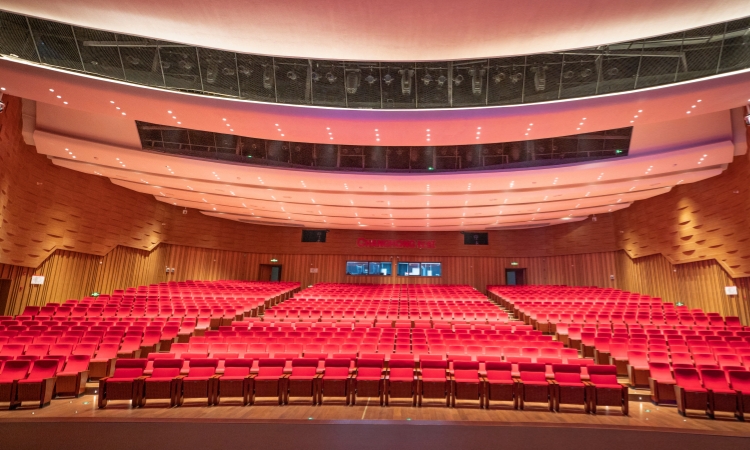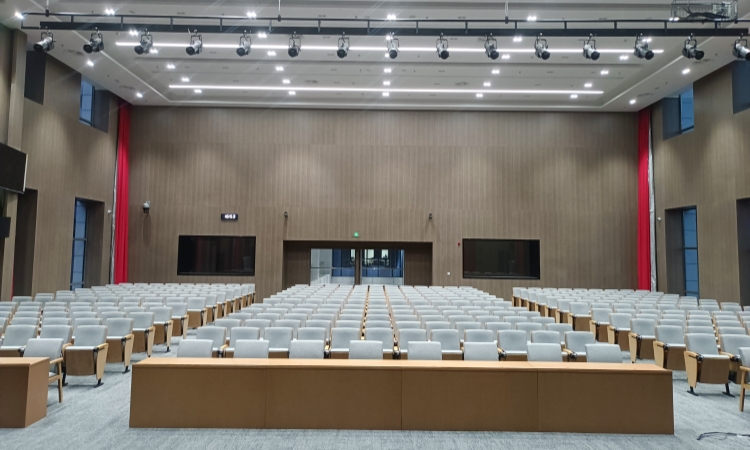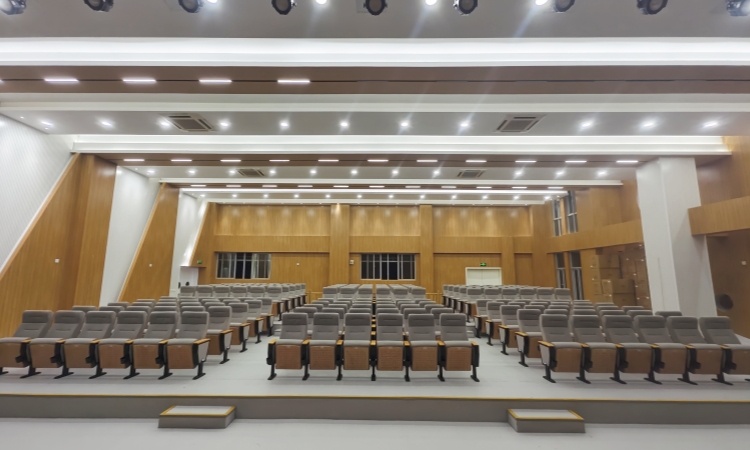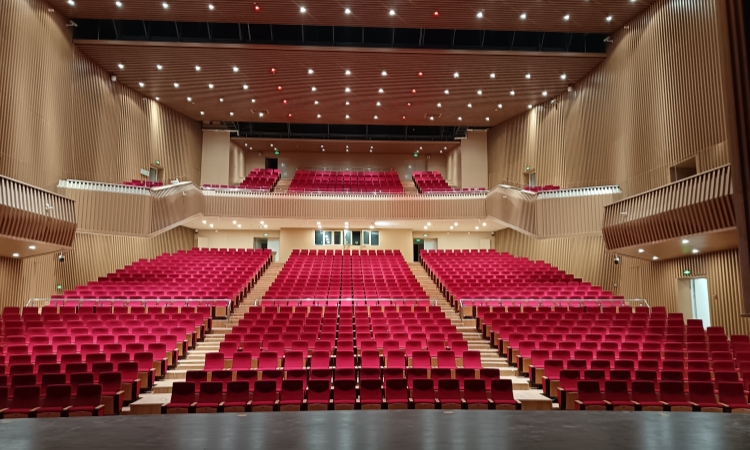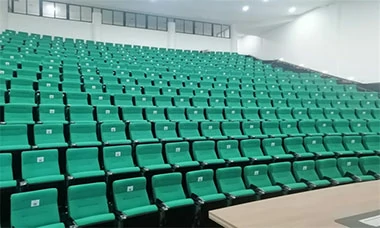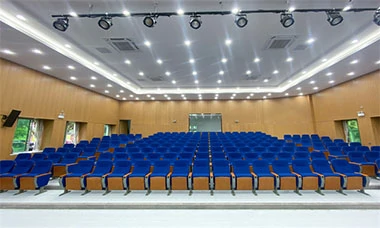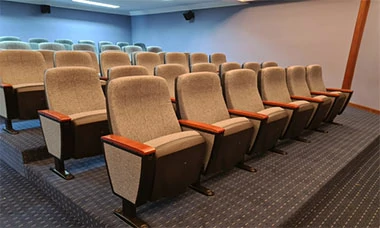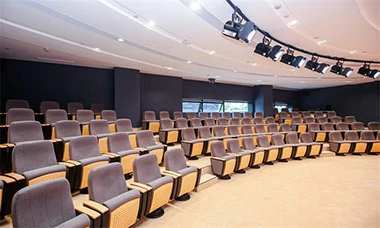


When renovating a church, leaders often face a dilemma regarding rows of worn, aging pews: Is it worth replacing them? This decision involves more than just the budget; it directly impacts the congregation's worship experience and the church's overall image. The answer is—in most cases, replacement is worthwhile, especially when the old seating no longer meets safety, comfort, and functional needs.
When Is Replacement Essential? Three Major "Red Flags"
If your church seating exhibits the following issues, replacement is urgent:
· Safety Hazards: Loose frames, cracked welds, or compromised load-bearing capacity create a risk of collapse—a danger that is particularly acute when the church is crowded.
· Loss of Comfort: Collapsed foam and worn upholstery make it difficult for congregants to focus; seats become instruments of discomfort rather than support, hindering engagement.
· Unsustainable Maintenance Costs: Repair bills rise year after year, and spare parts become hard to find; rather than constantly applying "band-aid" fixes, a one-time upgrade to new church seating is more cost-effective.
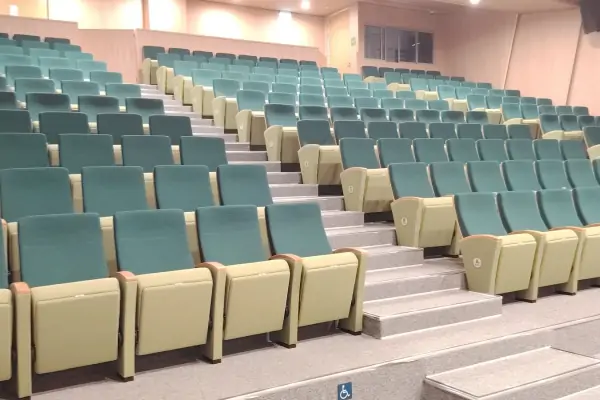
What Value Do New Church Seats Bring?
Investing in new seating is more than just a repair job; it is an investment in the future:
· Enhanced Focus and Dignity: Ergonomic seating provides excellent lumbar support, while noise-reducing designs minimize distractions, allowing congregants to sit peacefully and attentively.
· Spatial Flexibility: Modern seating options can be folded or stacked, facilitating multi-purpose use and allowing for easy transitions between worship services and community events.
· Visual Renewal: Customizable colors and fabrics allow seating to harmonize with the interior décor, creating an atmosphere of solemn beauty.
Three Key Factors When Choosing New Seating
Whether purchasing wooden pews or upholstered chairs, focus on these essentials: steel frame thickness (16-gauge or thicker offers greater durability), foam density (high-resilience, cold-cured foam resists sagging), and whether the manufacturer offers a 5-to-10-year warranty on the frame.