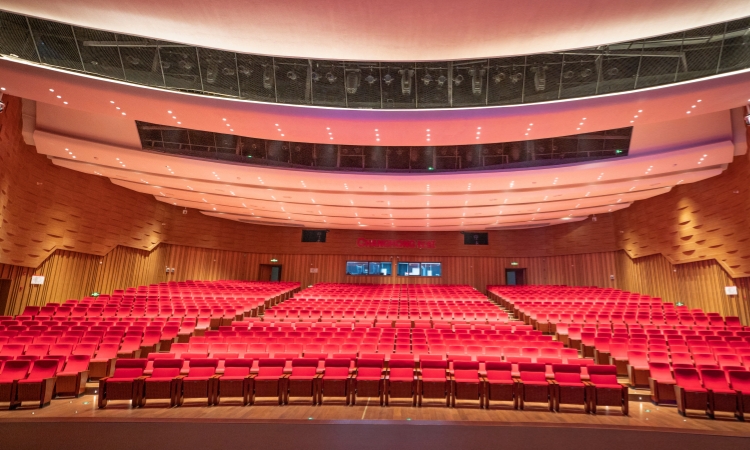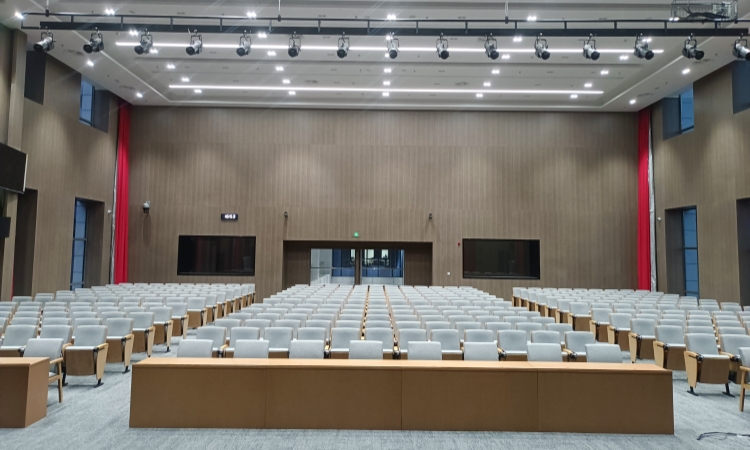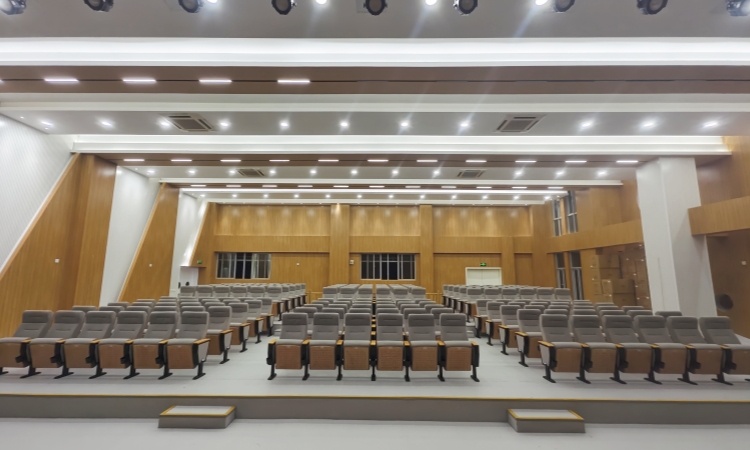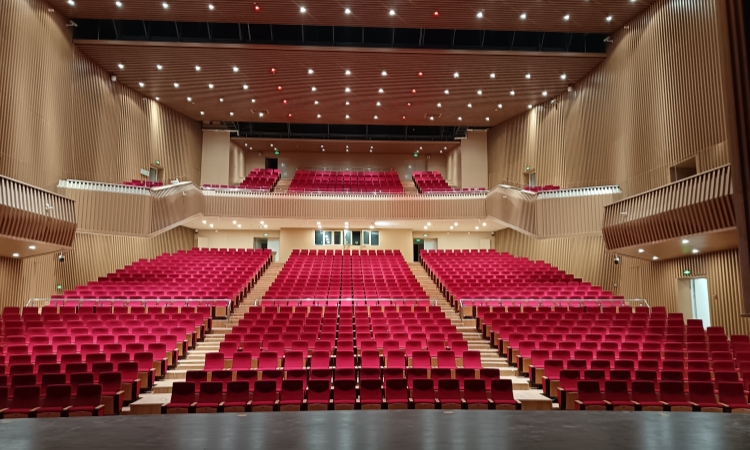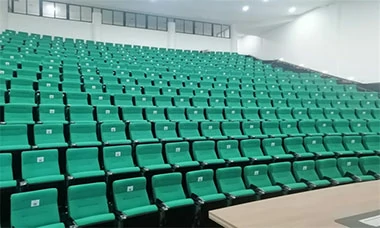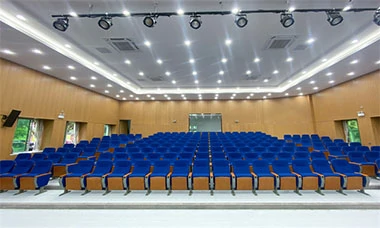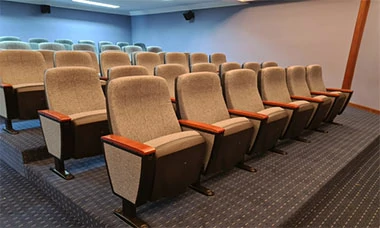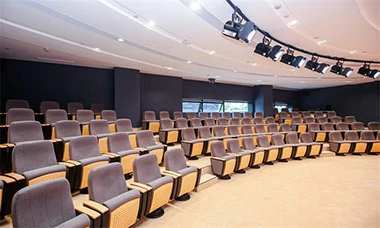


A high-quality performance or conference depends not only on the action on stage but also on the comfort experienced by the audience. As the facility with the highest usage frequency and longest contact time within a venue, the quality of auditorium seating directly determines audience satisfaction and the venue's professional image. So, how does one make an informed choice when purchasing auditorium, theater, or cinema seating? The following five core dimensions warrant particular attention.
I. Comfort and Ergonomics
Given that audience members remain seated continuously for 1–2 hours, how well the seat's contours conform to the body is of paramount importance. High-quality auditorium chairs should feature high-density, molded foam cushions that align with the natural curvature of the human spine, as well as S-shaped spring backrests. The seating sensation should be firm yet yielding, ensuring the cushion does not compress or lose its shape even after prolonged sitting. It is recommended to conduct actual sit-tests prior to purchase, paying close attention to lumbar support and seat depth dimensions.
II. Durability and Structural Materials
Refurbishing seating in public venues entails significant costs; therefore, structural strength is a critical, non-negotiable requirement. Prioritize chairs featuring armrest frames stamped from cold-rolled steel plates and chair legs with a thickness of ≥2.0mm, capable of supporting a load of over 150kg. For the seat-folding mechanism, gravity-return or hydraulic-damping designs are recommended to prevent noise generation and eliminate the risk of finger entrapment, while also ensuring trouble-free operation for at least 50,000 opening-and-closing cycles.
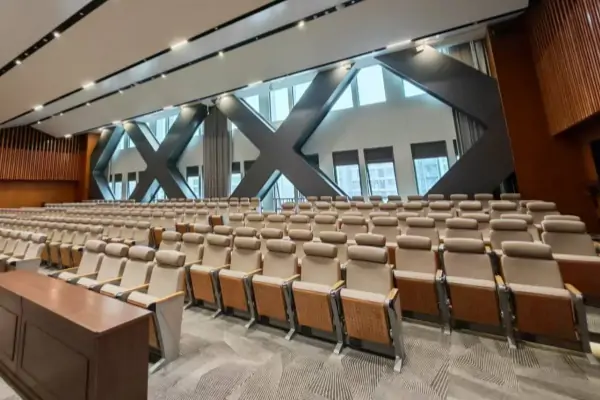
III. Acoustic Compatibility and Row Spacing Design
The acoustic performance of theater and cinema seating is often overlooked. Factors such as the fabric's sound absorption coefficient and the size of the gaps between armrests can significantly influence the venue's reverberation time. Furthermore, row spacing determines legroom: for standard theaters, a minimum spacing of ≥900mm is recommended; for lecture hall chairs equipped with small writing tablets, ≥1000mm is advisable. Intelligent row layout planning can also help maximize seating capacity and boost occupancy rates.
IV. Fire Safety and Maintenance
Auditorium seating fabrics must comply with national B1-level fire-retardant standards or the British BS5852 standard. Additionally, prioritize options featuring removable seat cushions or "triple-proof" fabrics (resistant to water, oil, and dust) to facilitate daily cleaning and maintenance. For securing rows of connected seats, the use of through-bolt expansion anchors is recommended to prevent loosening or tilting over time. V. Customization and Brand Services
Different venues vary significantly in terms of style, flooring conditions, and power routing requirements. Therefore, select a manufacturer capable of providing customized services—such as color coordination, optional writing tablets, and personalized seat numbering. It is imperative to request physical product samples and official national quality inspection reports, while also clearly establishing the warranty period and the manufacturer's response time for after-sales support.
Summary and Recommendations: When purchasing auditorium seating, do not focus solely on the unit price; instead, calculate the comprehensive maintenance costs projected over a 10-year product lifecycle. Prioritize partnerships with brands that possess a proven track record of successful projects in large-scale theaters and university auditoriums, and conduct on-site inspections to verify the durability of their finished products. By investing in high-quality seating, you can ensure your venue earns a lasting reputation for excellence.