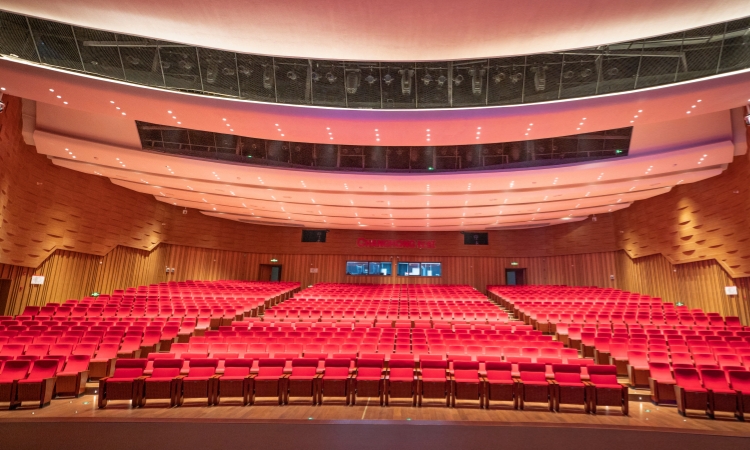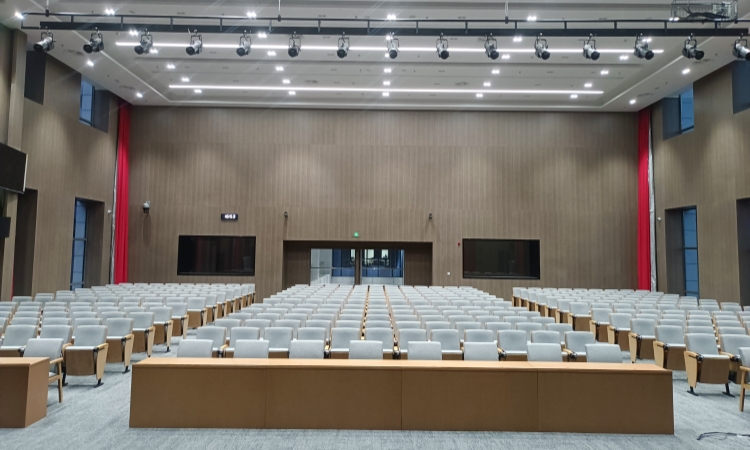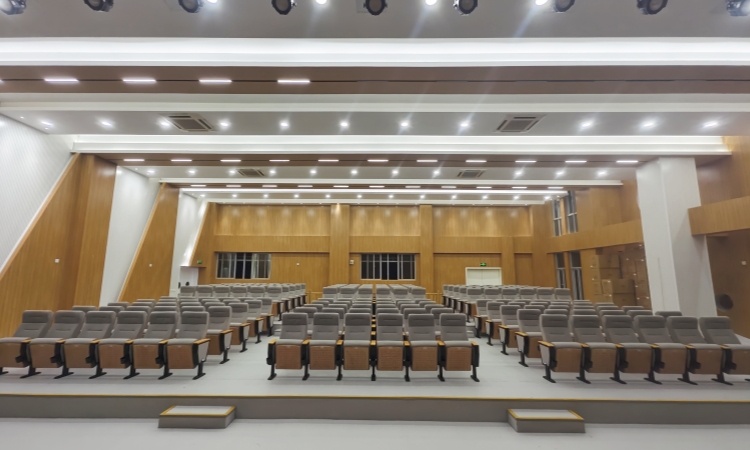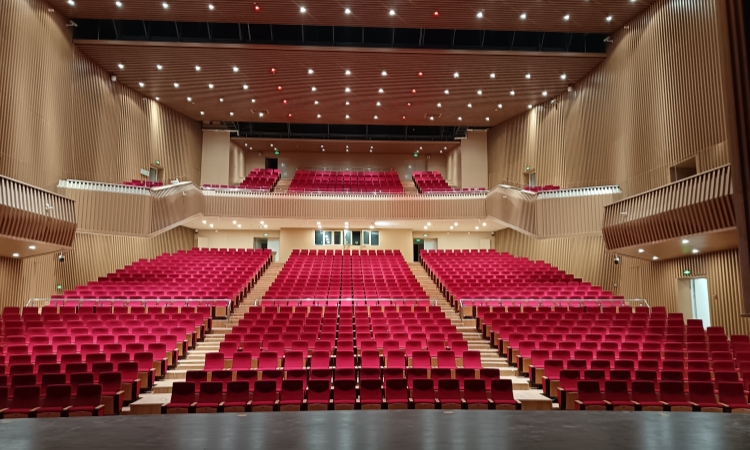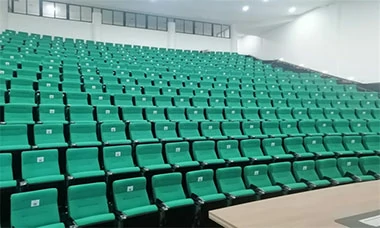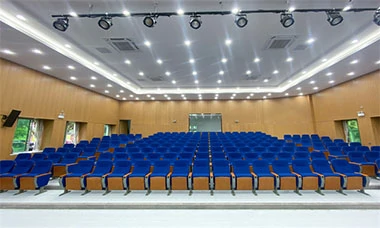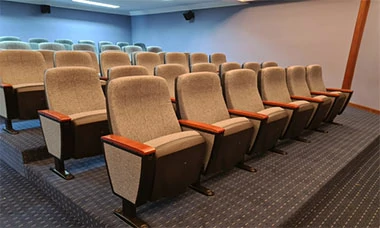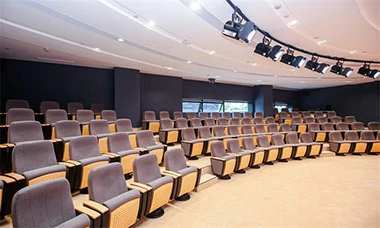


When renovating or constructing university tiered classrooms, the budget often serves as the primary constraint. Faced with the need to procure hundreds or even thousands of units of university fixed seating, how can one identify a solution that is both economical and durable within limited financial means?
The answer is not complicated: approach the decision from the perspective of Total Cost of Ownership, focusing on the critical components that directly impact longevity, rather than blindly chasing the lowest price or the most luxurious options.
1. Prioritize the Long-Term Ledger Over the Unit Price Tag
Many procurement teams focus solely on comparing the initial purchase price of each seat-and-desk unit while overlooking future expenses related to maintenance and replacement. A chair constructed from flimsy materials may develop cracks in the seat pan, deformed support frames, or malfunctioning flip-up mechanisms after just one or two years of use. Conversely, university tiered seating featuring sound structural design and robust materials can often provide reliable service for eight to ten years. Therefore, the essence of balancing price with durability lies in selecting products characterized by a "reasonable initial investment and virtually no future maintenance worries."
2. The Seat Surface and Steel Frame: The Two Core Factors Determining Longevity
The seat surface is the component students interact with directly every day, making it the most susceptible to wear and tear. In the international market, the prevailing choice for the seat surfaces of budget-friendly tiered classroom chairs is hollow blow-molded material (typically HDPE or PP). This manufacturing process creates a seamless, one-piece unit that is not only waterproof and impact-resistant but also easy to clean—making it highly resistant to cracking or deformation, even under conditions of high-frequency use. In contrast, seat surfaces featuring wood veneers or standard injection-molded plastics—while perhaps offering a more traditional aesthetic—are far more prone to damage in humid environments or scenarios involving rough handling.
The steel frame, meanwhile, determines the structural integrity—the very "skeleton"—of the entire chair. For high-quality steel-framed tiered seating, the steel used for the floor mounts and crossbeams must meet rigorous industrial thickness standards and undergo an anti-rust electrostatic powder coating treatment. If the steel is too thin or the anti-rust coating is inadequate, the chairs may begin to wobble or show signs of corrosion within just one or two years, potentially evolving into a safety hazard. When making a selection, pay close attention to the structural design of the steel frame; for instance, a floor-plate mounting style generally offers greater stability than a circular-base style, while the incorporation of reinforcing ribs effectively enhances resistance to lateral forces. 3. Flip-up Mechanism: Choose "Simple" over "Fancy."
3.The most common point of failure in university lecture hall seating is the seat-return mechanism.
Gravity-based self-returning structures rely on the seat's own weight to descend slowly; lacking springs or complex damping components, they are virtually impervious to damage. In contrast, flip-up mechanisms equipped with springs or dampers—while offering a quieter user experience—carry a higher risk of spring fatigue or damper fluid leakage following prolonged, heavy-duty use. For lecture halls operating on a limited budget, prioritizing a gravity-return design is often the wiser decision—it offers peace of mind and eliminates the need for future replacement of wear-prone parts.
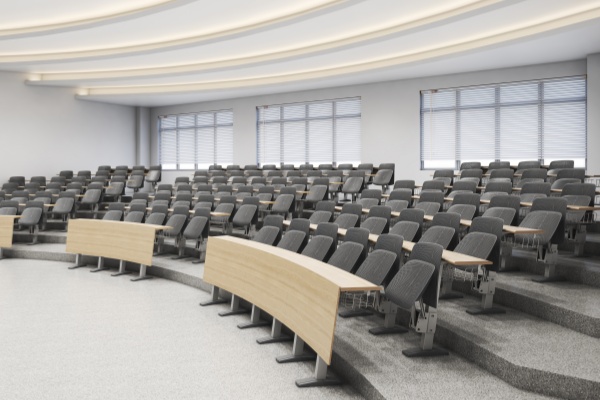
4. Installation and Floor Compatibility: A Hidden Factor in Durability.
Even the finest university lecture hall seating will deteriorate rapidly if not installed securely. Select a supplier capable of providing solutions involving pre-embedded anchors or specialized expansion bolts, and ensure that the flooring conditions meet the specific installation requirements. Some suppliers offer a comprehensive, one-stop service encompassing old-seat removal, floor repairs, and installation; this not only minimizes coordination hassles for the purchaser but also prevents premature product failure caused by seat instability resulting from uneven flooring.
5. Tips for International Procurement.
For projects targeting international markets, it is advisable to request that suppliers provide photos or videos of installations that have been in active use for at least two years. Furthermore, verify that wear-prone spare parts (such as screws and return-mechanism components) will remain available for long-term supply. Conducting a small-scale trial installation—setting up a single row of actual seats to personally test for stability and operational noise—offers a far more accurate reflection of true product quality than merely inspecting a standalone sample.