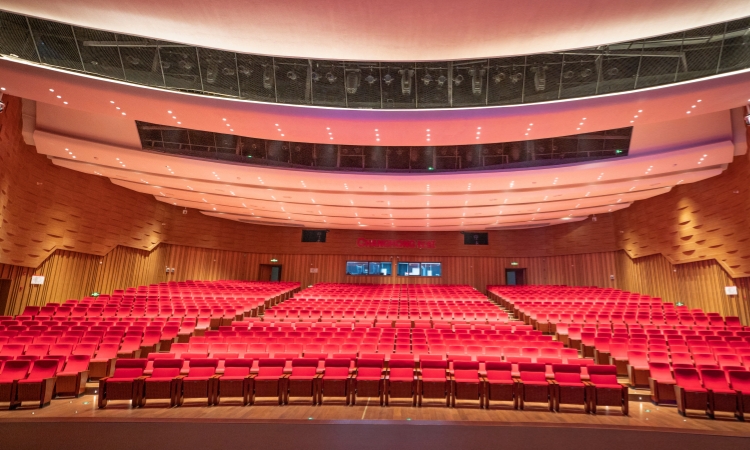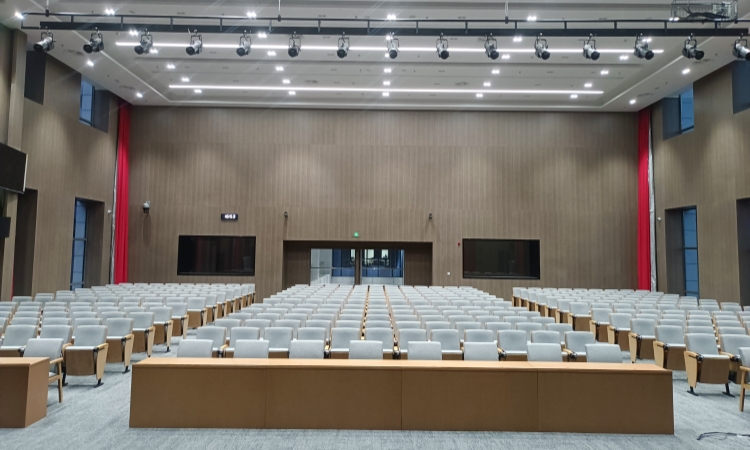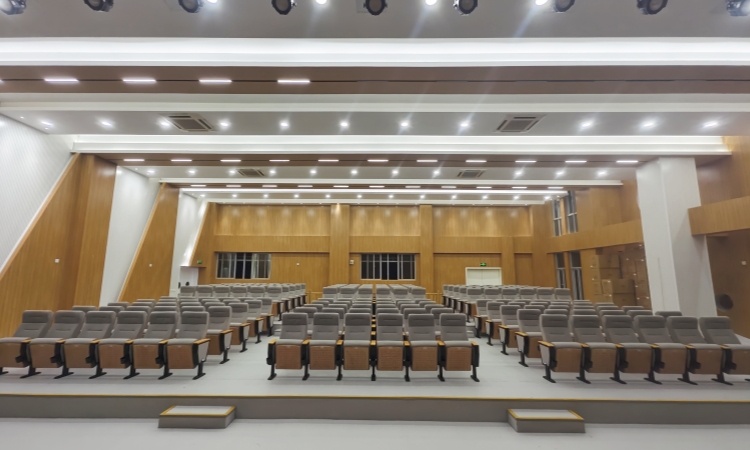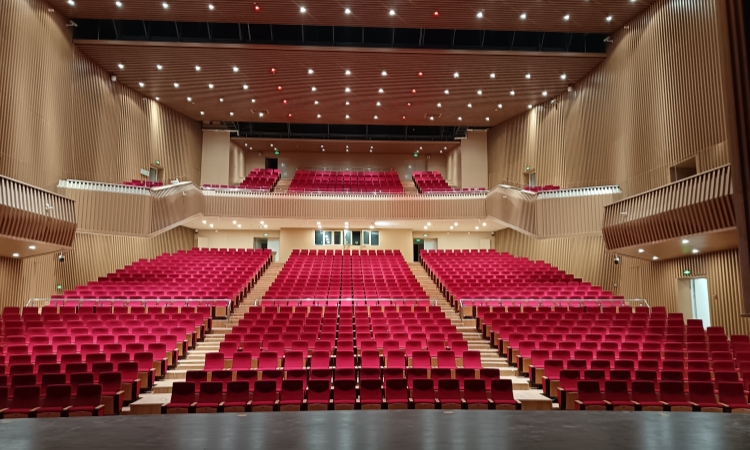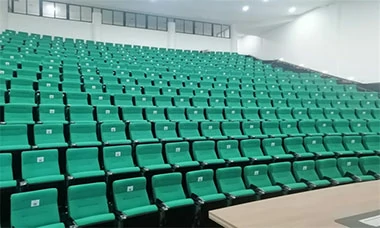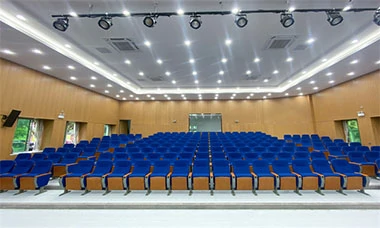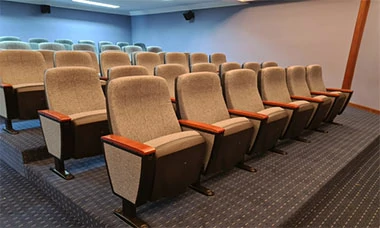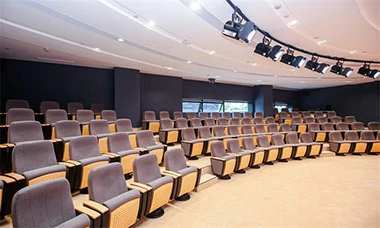


For operators of theaters, conference centers, school auditoriums, and multi-purpose lecture halls, seating serves as more than just a point of contact for the audience; it is a core source of long-term operating costs. Choosing high-quality auditorium seating that is wear-resistant, stain-resistant, and easy to maintain can fundamentally reduce expenses related to cleaning, repairs, and replacements, allowing a venue to truly realize the benefit of "one-time investment, long-term peace of mind."
Three key characteristics directly determine a venue's total cost of ownership:
`Wear Resistance → Extends replacement cycles and reduces capital expenditures
`Stain Resistance → Lowers the frequency of daily cleaning and the cost of deep cleaning
`Ease of Maintenance → Reduces repair time and minimizes reliance on spare parts
1. Wear Resistance: Significantly Extending the Lifespan of Auditorium Seating
Auditorium seating experiences extremely high usage frequency—a medium-sized theater might host hundreds of events annually, subjecting each seat to thousands of instances of pressure and friction. Conference chairs made with ordinary fabrics often show signs of pilling, fading, or even tearing after just two or three years of use, necessitating complete replacement.
Public seating featuring highly wear-resistant fabrics (such as polyester or polypropylene with a wear rating of ≥50,000 cycles, or automotive-grade faux leather) can have its lifespan extended to five to eight years. Although the initial procurement cost may be slightly higher, when amortized over the long term, the annual cost per seat actually proves to be lower. More importantly, high-quality, wear-resistant row seating helps avoid color-matching issues that arise from replacing individual seat covers, thereby reducing the need to replace entire rows unnecessarily.
2. Stain Resistance: Significantly Reducing the Intensity of Daily Cleaning
Spilled beverages, chewing gum, mud from shoe soles... auditorium seating is often the area within a venue most susceptible to contamination. Once soiled, traditional fabric seating often requires intensive manual scrubbing—or even steam cleaning equipment—to restore, a process that is both time-consuming and labor-intensive.
There are two primary solutions for theater seating designed with stain-resistant properties:
Stain-Repellent Coated Fabrics: Liquids bead up and roll off the surface, preventing them from penetrating the material.
Easy-to-Clean Leather/Faux Leather: Can be wiped clean with just a damp cloth, requiring no chemical cleaning agents.
Stain-resistant seating can drastically reduce the frequency of deep cleaning, thereby lowering labor costs and the consumption of cleaning supplies. Furthermore, it minimizes the corrosive impact of cleaning chemicals on metal components, extending the lifespan of critical parts such as flip-up mechanisms and gas lift cylinders. 3. Easy Maintenance: From "Professional Repair" to "Rapid On-Site Resolution"
A common challenge regarding the maintenance of row seating in many venues stems from issues such as rusted screws, complex seat cushion removal procedures, and—most critically—spare parts models that have been discontinued. Whenever a malfunction occurs, venues often have to wait for the supplier to make a site visit—a time-consuming process that disrupts the venue's normal operations.
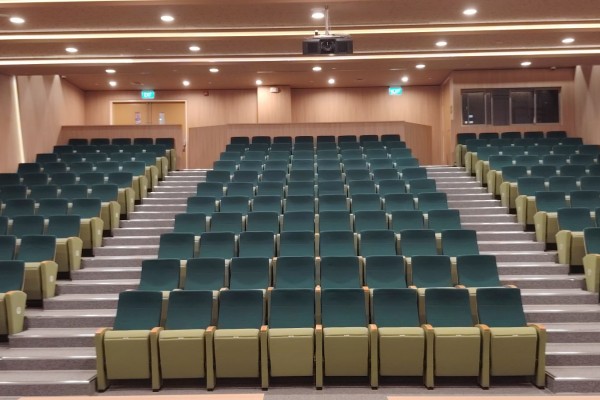
3. High-quality auditorium chairs designed for easy maintenance typically feature:
Modular Structure: Seat cushions, backrests, and armrests can be removed independently, eliminating the need to dismantle the entire chair.
Quick-Release Fasteners: Replacements can be completed using only bare hands or a single screwdriver.
Universal Hardware: Dampers and return mechanisms utilize standard specifications widely available on the market.
Spare Parts Redundancy: Common wear-and-tear parts (such as fasteners and springs) are included as complimentary accessories with the chairs.
Consequently, venue maintenance staff can independently resolve minor, common malfunctions without having to wait for professional technicians to arrive, thereby significantly boosting operational efficiency.
4. How to Select Truly Cost-Effective Auditorium Chairs?
When making a purchase, please request the following from your supplier:
` Abrasion Resistance Test Report (ASTM D3884 or GB/T 21196, with a minimum of 30,000 cycles).
` Stain Resistance Rating Certification (reaching the "Easy-to-Clean" standard).
` Maintainability Documentation (exploded diagrams, parts lists, and instructional videos for replacement procedures).
Additionally, prioritize brands that offer a "10-Year Spare Parts Supply Commitment." This helps you avoid being forced to replace the entire seating system simply because specific spare parts have been discontinued—a scenario that represents one of the biggest hidden cost traps.
5. Conclusion
Abrasion resistance, stain resistance, and ease of maintenance—these three characteristics directly correlate with a venue's long-term replacement, cleaning, and repair costs. By making the right choice and selecting high-quality auditorium chairs from the start, you not only enhance the audience experience but also ensure that your venue continues to reap benefits throughout its many years of operation.
Do you want to free your venue from the hassles of frequent repairs and premature replacements?
Contact us to receive a complimentary "Total Cost of Ownership" assessment, as well as customized recommendations for auditorium chair selection based on your venue's specific dimensions and usage frequency. For 26 years, OSJ Furniture has specialized in educational spaces, successfully providing one-stop furniture solutions to thousands of schools—backed by a 10-year warranty and annual scheduled maintenance inspections.